



A plain-English guide

First-party ordering

First-party ordering lets customers order through a business’s own branded channel.

Also called: Direct ordering

What it means in practice

The business presents the menu and customer experience, while software and payment providers may support the transaction. Fees, access to customer records and fulfillment options depend on those arrangements.

An everyday example

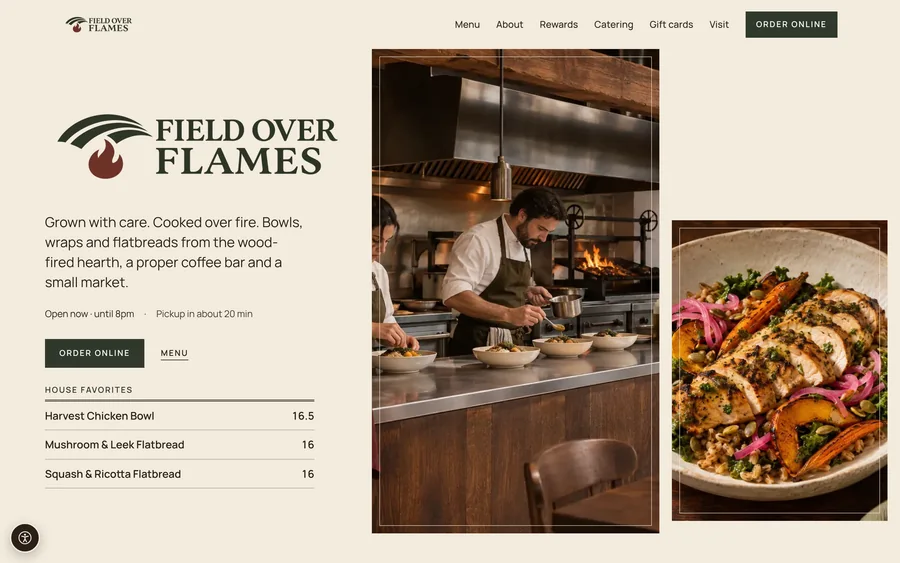
A guest opens a restaurant’s website and places a pickup order without browsing a marketplace.

Why it matters

Every order that arrives on your own page instead of a marketplace keeps roughly 15–30% of the ticket that the app would have taken, and it produces a customer record you can text and email. It is the largest margin lever an independent restaurant has that does not involve raising prices.

Your preferences

Privacy choices

Choose which optional services can run on this website. Everything optional stays off until you choose. You can change your settings at any time.

Advertising tags are not configured on this website. These settings apply to this browser on this website; platform and ordering accounts have their own choices.

Make yourself comfortable

Accessibility

Choose what makes this page comfortable. Preferences stay on this device.

Navigate this page

Keyboard shortcuts

On a Mac, Alt is the Option key. Shortcuts do not run while you’re typing in a field, or with Control or Command held.

Alt + Shift + A
Open accessibility tools
Alt + Shift + S
Navigate by page structure
Alt + Shift + ?
Show keyboard shortcuts
Alt + Shift + T
Text size: next size
Alt + Shift + C
Contrast: next level
Alt + Shift + F
Focus outline on or off
Alt + Shift + L
Highlight links on or off
Alt + Shift + H
Highlight headings on or off
Alt + Shift + M
Stop animation on or off
Alt + Shift + G
Reading guide on or off
Alt + Shift + R
Reset everything

Policies & Choices

Open Page →